Recent Post
How Random Rewards Shape Player Behavior ...
Modern video game design relies heavily on sophisticated psychological triggers to influence how users interact with digital environments over extended periods. Among these mechanisms, variable reinforcement systems stand out as an incredibly powerful tool for cultivating long-term player engagement. By introducing unpredictable outcomes into standard gameplay, developers can subtly guide player actions and create deeply ingrained behavioral loops.
The Neurobiology of Unpredictability
When a player encounters an uncertain outcome, their brain experiences a notable surge of dopamine linked directly to anticipation. This chemical reaction creates a powerful sense of excitement that encourages individuals to repeat specific in-game actions continuously. Consequently, gamers often find themselves completing repetitive tasks solely for the thrilling chance of obtaining a rare virtual item.
Psychological studies consistently show that inconsistent reinforcement schedules are far more effective at sustaining interest than fixed systems. If an individual knows exactly when and what they will win, the overall experience can quickly become monotonous and uninspiring. Introducing an element of chance ensures that every action feels fresh, exciting, and filled with potential rewards.
Cultivating Habitual Gameplay Routines
Game creators carefully structure these chance-based mechanics to build lasting daily routines among their player base. Features like random loot chests, mysterious enemy drops, and surprise gifts work together to maintain high levels of community activity. Over time, these well-designed loops successfully transform casual entertainment into a firmly established daily habit.
This form of psychological conditioning is highly prevalent across various competitive digital platforms in the modern era. For instance, enthusiasts seeking seamless updates on competitive matches frequently utilize a secure M88 Msports Login to check real-time statistics and odds. Ultimately, the universal appeal of unexpected outcomes keeps users actively returning to their favorite digital interfaces every day.
Balancing Probability and Player Satisfaction
While uncertainty successfully drives short-term engagement, developers must carefully balance the odds to prevent widespread community burnout. If the probability of acquiring a valuable reward is excessively low, players may feel discouraged and abandon the game entirely. Achieving a healthy balance requires offering guaranteed progression markers alongside traditional random drop elements.
Modern industry standards increasingly promote trust by openly displaying the exact drop percentages for all virtual items. This transparent approach empowers players to make informed decisions instead of feeling manipulated by hidden algorithms. When implemented ethically, these systems enrich the player experience while maintaining a healthy, respectful relationship with the community.
The Social Dynamics of Rare Drops
The collective excitement of chasing rare virtual rewards often strengthens the broader social fabric within multiplayer video games. Players frequently gather in dedicated online forums to celebrate major wins, share screenshots, and discuss optimal strategies. This shared pursuit shifts the gameplay focus from isolated progression to highly interactive community experiences.
In conclusion, random rewards remain a fundamental pillar of contemporary game development that powerfully shapes player behavior. By masterfully balancing the psychology of surprise with fair progression, creators can build sustainable and thriving digital ecosystems. As the interactive entertainment industry evolves, the strategic use of chance will continue to guide player choices globally.

The Difference Between Fair and Biased RNG ...
Modern digital platforms rely heavily on complex mathematical software to ensure that virtual outcomes remain completely unpredictable. The integrity of online gaming, statistical simulations, and cryptographic protocols depends entirely on the transparency of these algorithms. Understanding the distinction between a fair framework and a compromised setup is essential for maintaining consumer confidence.
The Fundamental Nature of Fair Systems
A fair random number generator distributes outcomes completely evenly over an extended operational cycle. Each generated result occurs independently without being influenced by previous sequences or external human intervention. This reliable configuration guarantees that every participant receives an identical statistical opportunity during gameplay.
To establish this level of trust, developers utilize highly sophisticated mathematical formulas known as pseudo-random number generators. These engines initiate operations from an isolated numerical value called a seed to build independent sequences. Consequently, the resulting data stream remains robust against predictive analytical patterns.
Recognizing the Signs of Biased Software
A biased random number generator fails to maintain statistical equilibrium, causing specific outcomes to appear more frequently than intended. This imbalance often stems from poorly constructed source code or flawed algorithmic logic that limits structural variation. Over time, these recurring patterns allow sophisticated users to predict upcoming results with high accuracy.
In worse scenarios, deliberate manipulation can be introduced into the core software architecture to favor a specific party. This intentional skewing destroys the foundational principles of equity and transparent digital execution. When systems lose their structural neutrality, the entire ecosystem becomes unsafe for regular users.
Testing and Regulatory Compliance Frameworks
Maintaining long-term credibility requires digital platforms to submit their underlying codebases to strict international auditing procedures. Independent laboratory specialists rigorously evaluate millions of algorithmic cycles to verify the complete absence of statistical skewing. Certified platforms that successfully pass these evaluations receive official documentation proving their operational integrity.
Savvy consumers often look for these verified seals of approval before registering on any modern interactive network. Many individuals utilize recognized portals like the M88 Msports Login platform to connect with certified environments that actively prioritize strict security compliance. Establishing these verifiable safety benchmarks remains the most effective method for cultivating global brand loyalty.
The Operational Impact on Interactive Design
The distinction between balanced and flawed algorithms directly influences the general longevity of modern software titles. Fair generation engines keep interactive mechanics fresh, challenging, and highly engaging for diverse audiences over time. Conversely, flawed engines lead to monotonous experiences that quickly drive away long-term participants due to predictable patterns.
As advanced computing infrastructure continues to evolve globally, maintaining pristine algorithmic execution will remain a primary focus for software engineers. Balancing top-tier cryptographic security alongside seamless, low-latency performance is vital for the next generation of entertainment. Ultimately, prioritizing transparent software architecture ensures a secure future for digital ecosystems.

Understanding the House Edge in Sic Bo Games ...
Sic Bo is an ancient Chinese dice game that has taken the modern casino world by storm due to its fast-paced action and straightforward mechanics. While the vibrant table layout with dozens of betting spots might look overwhelming to a newcomer, the core gameplay is incredibly easy to grasp. By understanding a few basic principles, any beginner can confidently approach the table and enjoy this classic game of chance.
The Core Mechanics of the Game
The entire game revolves around predicting the outcome of a single roll of three standard six-sided dice. Before the dice are shaken inside a closed container, players place their chips on the table areas corresponding to their chosen predictions. Once the results are revealed, the winning combinations are announced, and payouts are distributed immediately.
Unlike complex card games that require memorizing optimal strategy charts, this traditional game relies completely on random numbers and luck. Every individual shake of the dice box is independent of the previous one, meaning that past sequences do not influence future outcomes. New participants should focus on managing their bankroll rather than tracking non-existent streaks or patterns.
The Safest Choices for Beginners
For those just starting out, the absolute best options are the low-risk even-money wagers known as Small and Big bets. A Small bet wins if the total sum of the three dice falls between four and ten, excluding the occurrence of triples. Conversely, a Big bet covers any total score ranging from eleven to seventeen, also losing if all three dice land on the identical value.
These two specific options boast the lowest house advantage on the entire layout, hovering around just under three percent. Utilizing these balanced bets allows novices to participate in steady action without worrying about complex mathematical equations. It provides an excellent baseline for learning the game flow while minimizing rapid losses during early sessions.
Exploring Platform Options and Variety
As the game transitions online, finding a reliable and secure environment to practice is essential for building real player confidence. Exploring established digital venues like M88 Msports Login offers newcomers a safe space to observe how these various dice calculations resolve in live rounds. These platforms often provide detailed digital guides and electronic interfaces that make tracking the payouts much easier.
Beyond the standard even-money choices, beginners can gradually experiment with single dice wagers. This involves picking a specific number from one to six and winning if that number appears on at least one of the rolled dice. The payout increases if the selected digit shows up on two or all three dice, adding a bit of excitement without risking excessive capital.
Smart Practices for Sustainable Play
The single most vital habit for long-term enjoyment at any dice table is executing strict bankroll control. Before placing a single wager, you should establish a clear loss limit and a realistic target for your gaming session. Splitting your total available funds into smaller betting units helps ensure that you can withstand the natural variance of the game.
Familiarizing yourself with the payout charts printed directly onto the table surface is another great way to build confidence. Taking things slow and avoiding high-risk options like specific triples will keep your strategy sustainable and enjoyable. Ultimately, mastering this traditional dice game comes down to patience, understanding your odds, and enjoying the thrill of the tumble.

The Art of Planning in Bridge Games ...
Success in contract bridge is rarely a matter of luck or favorable card distribution alone. True mastery of this classic card game belongs to players who can efficiently convert incomplete information into a precise tactical roadmap before playing a single card from their hand. Developing a disciplined approach to planning each deal transforms standard gameplay into an analytical art form that yields consistent results.
Evaluating the Opening Lead and Auction Clues
The moment the opening lead hits the table, a strategic countdown begins for the declaring player to assess the board. By analyzing the preceding auction history alongside the newly visible cards in the dummy hand, you can form highly reliable inferences about the remaining hidden cards. This initial assessment establishes the foundational arithmetic necessary to execute a successful line of play across all four suits.
Strong players diligently look for clues regarding high-card points and suit lengths from their opponents' active bidding or passes. Combining these subtle clues allows you to map out potential defensive layouts and avoid costly blind assumptions during crucial tricks. Casual card enthusiasts can practice these complex deductions on the comprehensive M88 Msports Login platform to explore strategic card puzzles that sharpen daily logical thinking skills.
Counting Winners and Losers Accurately
A strategic plan without a precise mathematical count remains a mere guess at the competitive bridge table. In no-trump contracts, your immediate priority is to count certain winners and determine how many additional tricks must be established through promotion. For suit contracts, the calculation shifts toward identifying potential losing cards and finding ways to discard or ruff them effectively.
Translating your overall strategic vision into actual numbers prevents instinctive errors during the critical early stages of play. Managing entries properly ensures that you can reach established suits in the dummy hand exactly when the timing is right. Without this strict preparation, even high-value honor cards can easily become stranded and completely useless to the partnership.
Navigating Trump Breaks and Play Timing
Controlling the exact timing of when to draw outstanding trump cards requires immense tactical foresight and patience. Drawing trumps too early might remove vital entry points or ruffing opportunities needed to eliminate losing cards in a side suit. Conversely, delaying the process for too long gives the defenders an immediate chance to secure unexpected tricks through separate ruffs.
Achieving balance requires you to project the distribution of the defenders' cards over several subsequent tricks ahead of time. Experienced competitors learn to handle unfavorable suit splits calmly by adjusting their lines of play dynamically as new information emerges. This deliberate patience separates average card players from consistent tournament winners who excel under competitive pressure.
Fostering Partnership Coordination and Signals
Bridge remains a deeply collaborative mind sport where solitary brilliance is rarely sufficient to guarantee long-term victory. Both partners must cultivate a shared understanding of defensive signals to build a solid front when defending against an opposing contract. Clear and legally permitted communication ensures that the defensive pair acts as a single cohesive unit rather than two independent entities.
Reviewing common card-play conventions regularly with your chosen partner builds long-term trust and eliminates expensive tactical mistakes. Every deal provides an exciting new opportunity to refine this unspoken synergy and dramatically improve overall team performance. Ultimate victory belongs to the partnership that maintains absolute coordination from the initial auction phase to the very final trick.

Mobile Card Games with Ranked Modes ...
The landscape of mobile gaming has shifted dramatically, transforming casual digital pastimes into highly competitive arenas where skill is put to the test. Among these, mobile card games with ranked modes have carved out a significant niche by offering structured systems for players who crave intense competition. These digital environments provide a true test of strategy, deck optimization, and tactical execution directly on smartphone screens.
The Appeal of Competitive Tiers and Progression
Ranked systems in digital card titles provide players with a clear metric to evaluate their strategic growth over time. Instead of matching against arbitrary opponents, players face off against individuals with similar skill levels, ensuring that every victory feels earned. This tier-based progression keeps the gameplay loops engaging and gives enthusiasts a distinct goal to strive toward during their daily sessions.
Furthermore, climbing the competitive ladder rewards players with exclusive seasonal bonuses, currency, and rare cosmetic upgrades. These incentives heavily motivate the community to refine their card selections and improve their overall decision-making processes under high-pressure scenarios. As players advance through the divisions, they encounter increasingly complex deck archetypes that force them to constantly adapt.
Balancing Skill and Strategy in Competitive Environments
Succeeding in competitive card arenas demands a thorough understanding of mathematical probability and resource efficiency. Top-tier competitors rarely rely on simple intuition or luck, focusing instead on system synergies and predicting their opponent's next major move. Every turn presents a new mechanical puzzle where understanding the nuances of card priority can dictate the final outcome.
For individuals looking to transition from casual play to higher competitive tiers, finding optimized portals can enhance their digital engagement. Platforms that facilitate smooth access, such as the M88 Msports Login gateway, offer reliable options for enthusiasts seeking structured digital interactions. Ensuring a dependable setup allows players to focus entirely on building efficient decks and mastering their matching routines.
The Evolving Meta and Seasonal Rotations
One of the primary reasons competitive mobile card titles retain their freshness over long periods is the continuous adjustment of internal game states. Developers regularly introduce fresh expansions and balancing patches to ensure the competitive landscape remains fair and dynamic. These timed updates actively prevent the competitive environment from becoming stagnant or dominated by a single strategy.
Adapting to these regular mechanical adjustments is a core requirement for long-term mastery in the genre. Competitors must quickly modify their deck-building styles to handle unique shifting archetypes introduced by new card releases. Embracing both community theory-crafting and regular game updates will keep your tactical approach highly refined and effective.

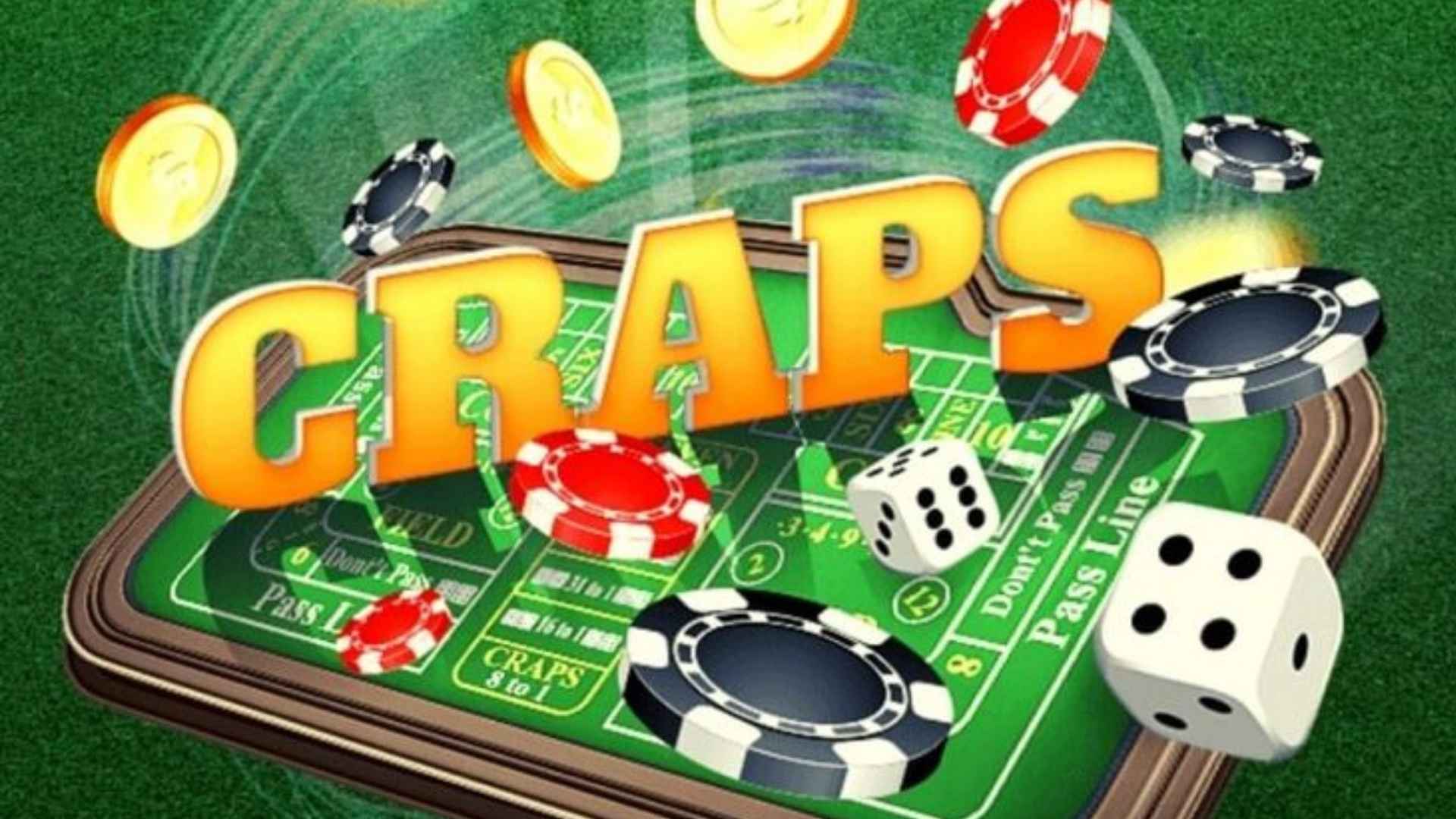
Proposition Bets in Craps Explained Simply ...
Stepping up to a craps table can be an exhilarating experience filled with high energy and fast-paced action. While most beginners flock to the standard line wagers, the center of the table features a unique area dedicated to proposition bets. Understanding these specific options allows players to navigate the full layout with complete confidence.
What Are Proposition Bets
Proposition bets, often referred to as prop bets, are specialized wagers located right in the center of the craps layout. Unlike multi-roll wagers that can remain active for a long time, the vast majority of these options are resolved on the very next roll of the dice. This single-roll nature brings immediate resolution and adds an extra layer of quick excitement to the game.
Because these options depend entirely on one specific outcome, they generally offer much higher payout ratios than traditional wagers. However, these enticing returns come with a significantly increased statistical house advantage that players must consider. Balancing the thrill of large payouts with the reality of lower probabilities is key to master these center-table choices.
Common Single Roll Options
Among the most famous proposition wagers are the specific dice combinations like Snake Eyes or Boxcars. A bettor wagering on Snake Eyes wins only if the shooter throws a total of two on the next single roll. Similarly, Boxcars requires the dice to land on a total of twelve to trigger a payout.
Another frequent choice in the center area is the Any Seven wager, which predicts the very next throw will total seven. While seven is mathematically the most likely number to appear on two dice, the house payout structure makes this a challenging choice over time. Learning the specific odds for each unique combination helps players make highly informed choices during live sessions.
Understanding Hardways and Logic
Not every wager located in the center section is resolved in a single throw of the dice. The Hardways selections require the shooter to roll a specific even number as a pair before a seven appears or before that same total is rolled the easy way. For instance, a hard eight means the dice must show a pair of fours rather than a five and a three.
These options offer a sustained experience while still delivering higher payouts than standard boundary bets. Modern enthusiasts often study these complex rules and payout frequencies on dedicated platforms to refine their knowledge. Utilizing reliable gaming guides such as M88 Msports Login provides excellent context for reviewing these tactical table variants before placing real chips.
Smart Strategic Integration
Sticking entirely to the center of the table can quickly deplete a bankroll due to the higher statistical edge retained by the casino. Experienced participants typically utilize these high-payout options sparingly as occasional entertainment rather than primary building blocks. Treating them as small side wagers during a hot streak can keep the game highly entertaining without exposing your funds to excessive variance.
Establishing clear boundaries for your session bankroll remains the best defense against emotional betting habits. By allocating only a tiny percentage of your chips for center-table action, you can enjoy the thrill of chasing big payouts safely. Patience and structured choices are always the true pillars of long-term enjoyment at any casino table.

Learning Probability Through Daily Challenges ...
Mastering mathematical principles often requires more than just memorizing textbook definitions and formulas. By introducing consistency into your routine, you can build a deeper understanding of mathematical likelihood through small, manageable exercises every single day. This steady approach transforms complex theoretical concepts into practical mental tools that enhance your logical skills over time.
The Power of Consistent Mental Exercises
Engaging with short, analytical puzzles each morning trains the brain to recognize statistical distributions more efficiently. Instead of cramming complex logic all at once, studying minor problem sets allows your subconscious mind to absorb the information naturally. Over several weeks, this systematic habit drastically reduces the intimidation factor typically associated with advanced statistical reasoning.
Regular practice also clarifies the fundamental difference between sheer chance and calculated expectations. When you analyze small data sets repeatedly, you become much better at predicting patterns in both games and real-world scenarios. This cognitive growth shows that consistency is far more valuable than sporadic bursts of intense study.
Practical Approaches to Daily Habitual Learning
To implement this methodology successfully, you do not need hours of free time or expensive textbooks. Simple tools like rolling standard dice, tracking coin flips, or analyzing card distributions provide excellent raw material for quick assessments. Dedicating just ten minutes each day to recording these outcomes builds a robust foundation for advanced data interpretation.
As you progress, incorporating digital resources can offer dynamic environments to test your evolving decision-making theories. For individuals looking to observe how random number generators function in real-time platforms, accessing a secure portal like the M88 Msports Login provides an excellent opportunity to study statistical probabilities in action. Observing live data helps bridge the gap between abstract academic theories and interactive applications.
Long-Term Benefits of Strategic Risk Assessment
Developing a strong grasp of probabilistic outcomes extends far beyond classroom assignments or digital entertainment platforms. It directly influences how you evaluate financial choices, manage personal time, and navigate daily uncertainties. A well-trained mind approaches unpredictable situations with calculated strategies rather than emotional reactions.
Ultimately, transforming your educational journey into a series of minor daily milestones ensures steady intellectual advancement. By maintaining a structured routine, you foster long-term retention and enhance your overall cognitive resilience against complex challenges. Embracing the predictability of daily practice is the ultimate key to conquering the science of chance.

The Rise of Online Scratch Card Platforms ...
The gaming industry has experienced a massive paradigm shift over the last decade, transitioning traditional paper activities into the digital ecosystem. Among these transformations, the migration of instant-win lottery tickets to specialized websites and mobile applications has captured the attention of casual players worldwide. As modern software continues to evolve, these interactive virtual options offer unparalleled convenience and immersive experiences for a global audience.
The Digital Transition of Instant-Win Games
Historically, enthusiasts had to visit physical retail outlets or local convenience stores to purchase foil-covered tickets. The emergence of dedicated online gaming portals has completely eradicated these geographical boundaries, allowing players to access their favorite entertainment instantly. This transition has unlocked creative possibilities for developers, who now combine legacy ticket systems with high-definition visual effects.
Furthermore, digital platforms have significantly diversified the theme selections available to consumers. Players are no longer confined to basic numerical grids, as modern software regularly introduces mythological narratives, pop culture crossovers, and treasure hunt mechanics. This continuous influx of variety ensures that the gameplay environment stays fresh, dynamic, and engaging for both returning veterans and curious newcomers.
Enhanced Features Driving Player Engagement
The true charm of virtual platforms lies in their ability to upgrade simple reveal actions into highly entertaining visual sequences. Instead of using a coin to manually scratch away a latex layer, players can utilize cinematic haptic swipes or click automated reveal buttons. These animations build a heightened sense of anticipation and bring arcade-like qualities to classic lottery models.
Security and fairness parameters have also seen massive improvements through the implementation of certified Random Number Generators. These cryptographic algorithms guarantee that every virtual ticket is generated independently, ensuring full transparency across all sessions. If you are interested in exploring these secure software configurations, utilizing a verified portal like M88 Msports Login can guide you toward platforms built with trusted compliance standards.
Accessibility and Mobile-First Infrastructure
The rapid expansion of the smartphone market has heavily influenced the layout and architecture of contemporary gaming hubs. Most modern providers adopt mobile-first design principles, optimizing user interfaces for seamless interaction on touchscreens of various dimensions. This structural evolution allows users to enjoy quick sessions during daily commutes or brief afternoon breaks.
Cross-platform optimization also means that account balances, loyalty rewards, and history records sync perfectly across personal computers and mobile applications. This continuous cycle of connectivity offers immense flexibility, aligning with the fast-paced lifestyle of contemporary digital consumers. Consequently, modern software layout choices remain heavily focused on maintaining simple navigation menus and lightweight loading speeds.
Promoting Sustainable Habits and Balanced Play
As accessibility reaches unprecedented levels, the emphasis on consumer protection and healthy gaming practices becomes more important than ever. Reputable digital hubs are taking proactive measures by incorporating self-regulation utilities directly into their client software interfaces. These integrated safety frameworks allow individuals to easily set daily financial constraints, manage session durations, or activate temporary cooling-off periods.
Educating users on statistical realities and variance structures also plays a pivotal role in maintaining a safe environment. Providing transparent documentation regarding payout ratios helps participants form realistic expectations rather than relying entirely on wishful outcomes. Ultimately, treating these activities strictly as an affordable form of passive entertainment ensures a healthy relationship with virtual platform innovations.

Lucky Draw Features Every Platform Should Offer ...
Semua artikel sudah ditampilkan.